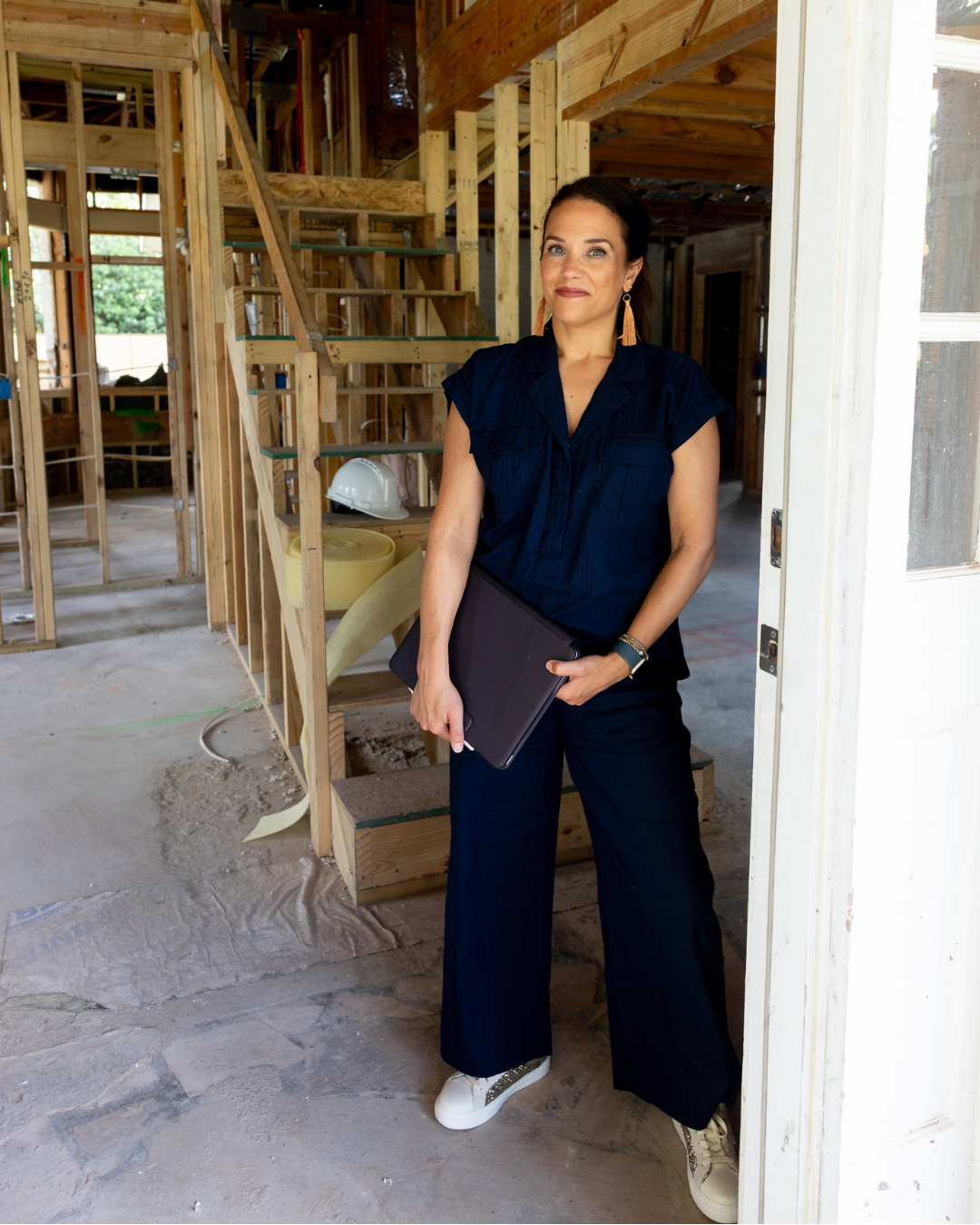
A Look Inside Our Intro Call
Your first step toward a thoughtful,
well-planned home project.
What is the
Intro Call?

A quick 30-minute conversation
Our intro call is a chance for us to connect, learn more about your project, and see if Norton Design Studio is the right fit.
We’ll talk through your goals, timeline, scope, and vision for your home.
Step 1
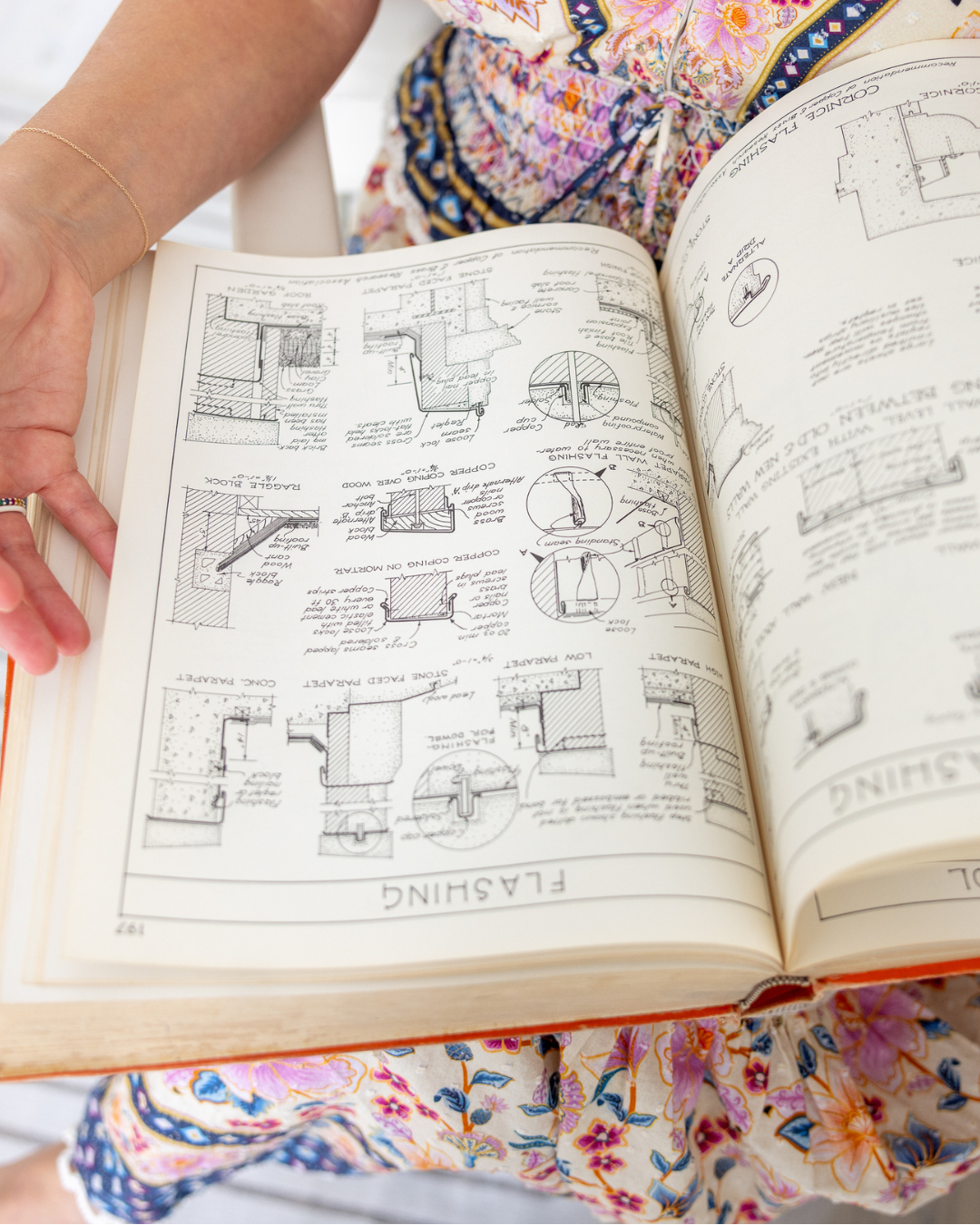
We start with your vision.
What does your dream home look like?
What do you want to change?
How do you want your home to feel?
What is no longer working for your family?
This first conversation helps us understand the heart of your project.
Step 2
We talk through scope, timeline, and budget.
Every project is different, so we use this time to better understand what you’re hoping to accomplish, when you’d like to begin, and what investment range you have in mind.
From there, we can start to determine what may be realistic for your home and goals.

Step 3
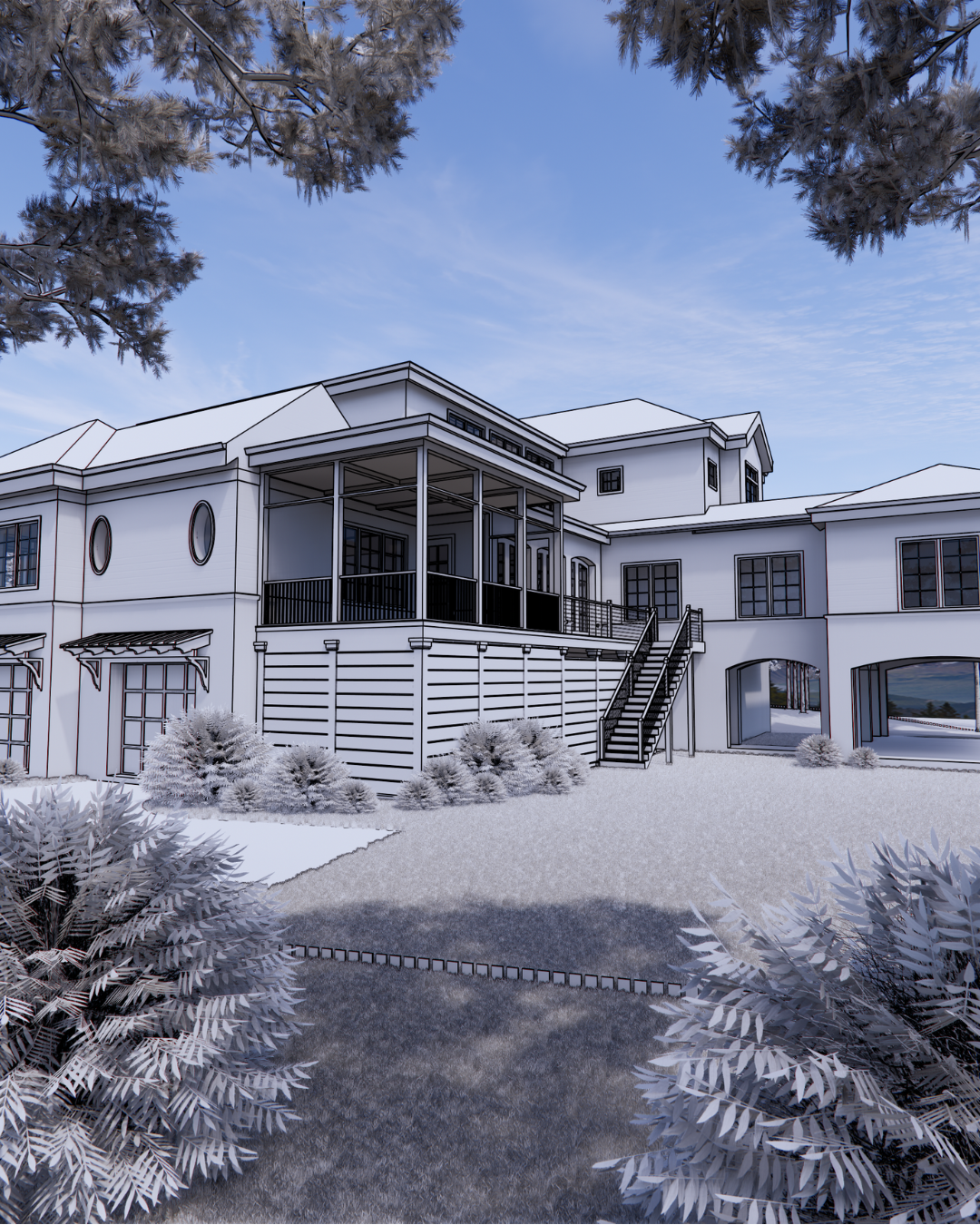
We ask the important property questions.
Before a project can move forward, there are a few practical details to understand.
We may ask about your current survey, zoning, historic district requirements, and other site-specific considerations that could impact your project.
Step 4
We look at flood zone considerations.
For Charleston-area homes, flood compliance can play a major role in the direction of a renovation, addition, or new build.
If your home is in a FEMA flood zone, we’ll discuss why an elevation certificate may be important and how flood requirements could affect the scope of work.
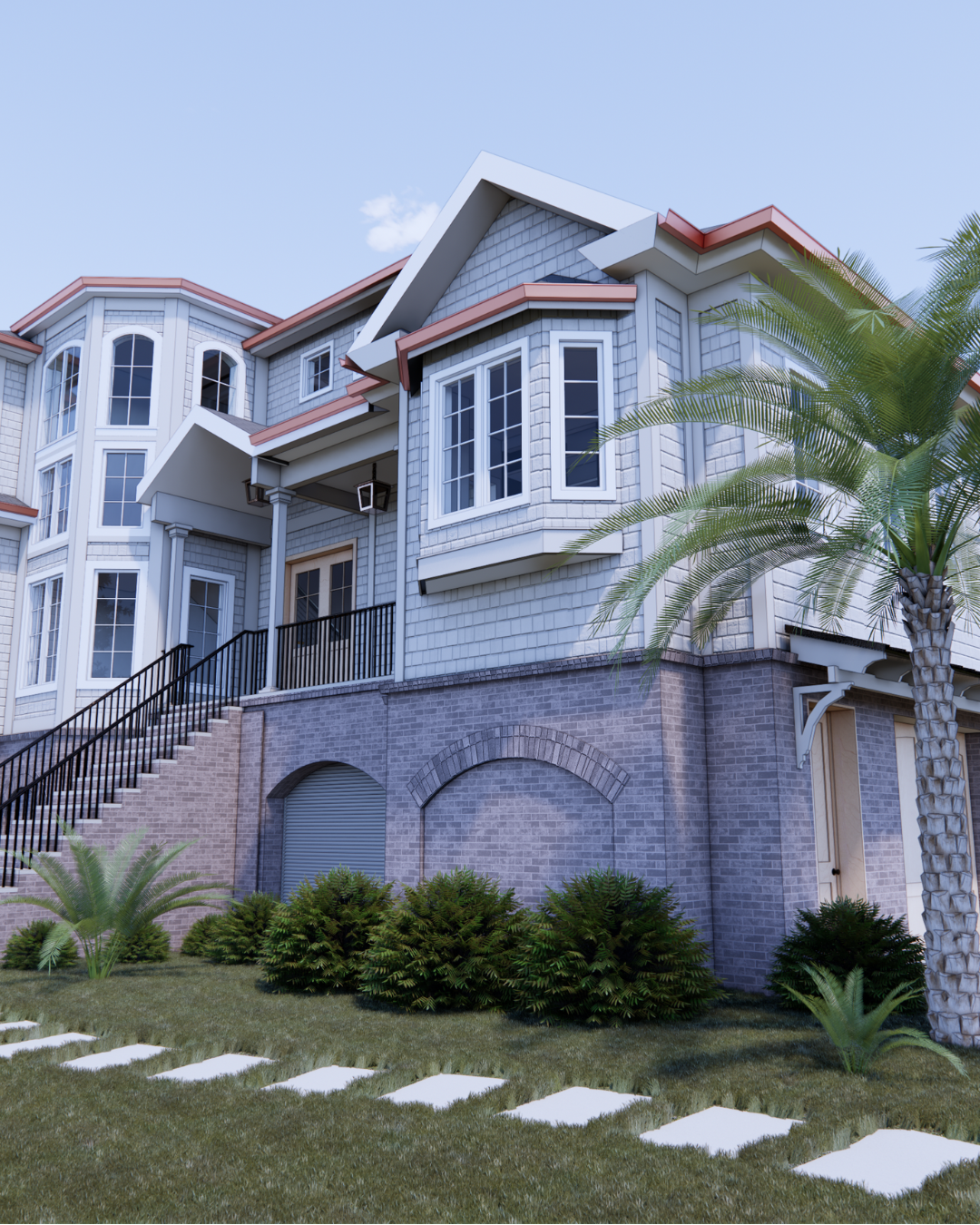
Step 5
We talk through potential limitations.
Some projects may be affected by code requirements, including the “50% rule,” which can impact how much work can be done before a home needs to be brought up to current code.
These conversations help us identify potential challenges early, before you invest too much time in the wrong direction.
Step 6
If it feels like a fit, we schedule the next step.
If the project seems to have good potential, Leslie will schedule a time to visit the home or property.
For renovations and additions, this helps us understand the existing conditions.
For new builds, it helps us better understand the land, context, and possibilities.